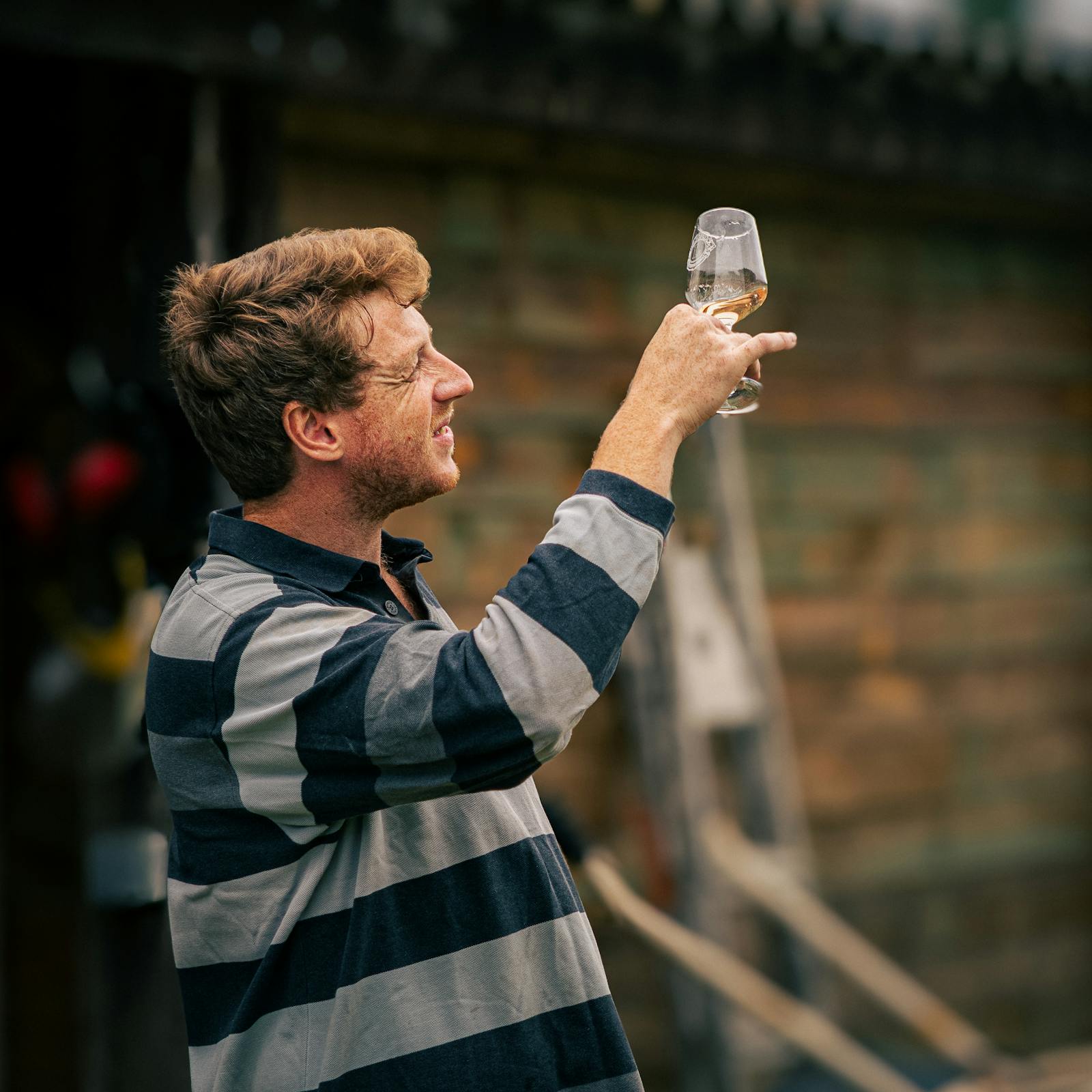
Lucía vancroft — winemaker
Trained at the Université de Bourgogne. Came back in 2017 with the conviction that the cellar she inherited was trying too hard. Has been slowly undoing that since.
The estate is at the end of a long dirt road off Ruta 92, kilometre 64, in the southern reach of the Uco Valley. From the kitchen door it is forty-eight steps to the cellar and seventy more to the first row of vines.
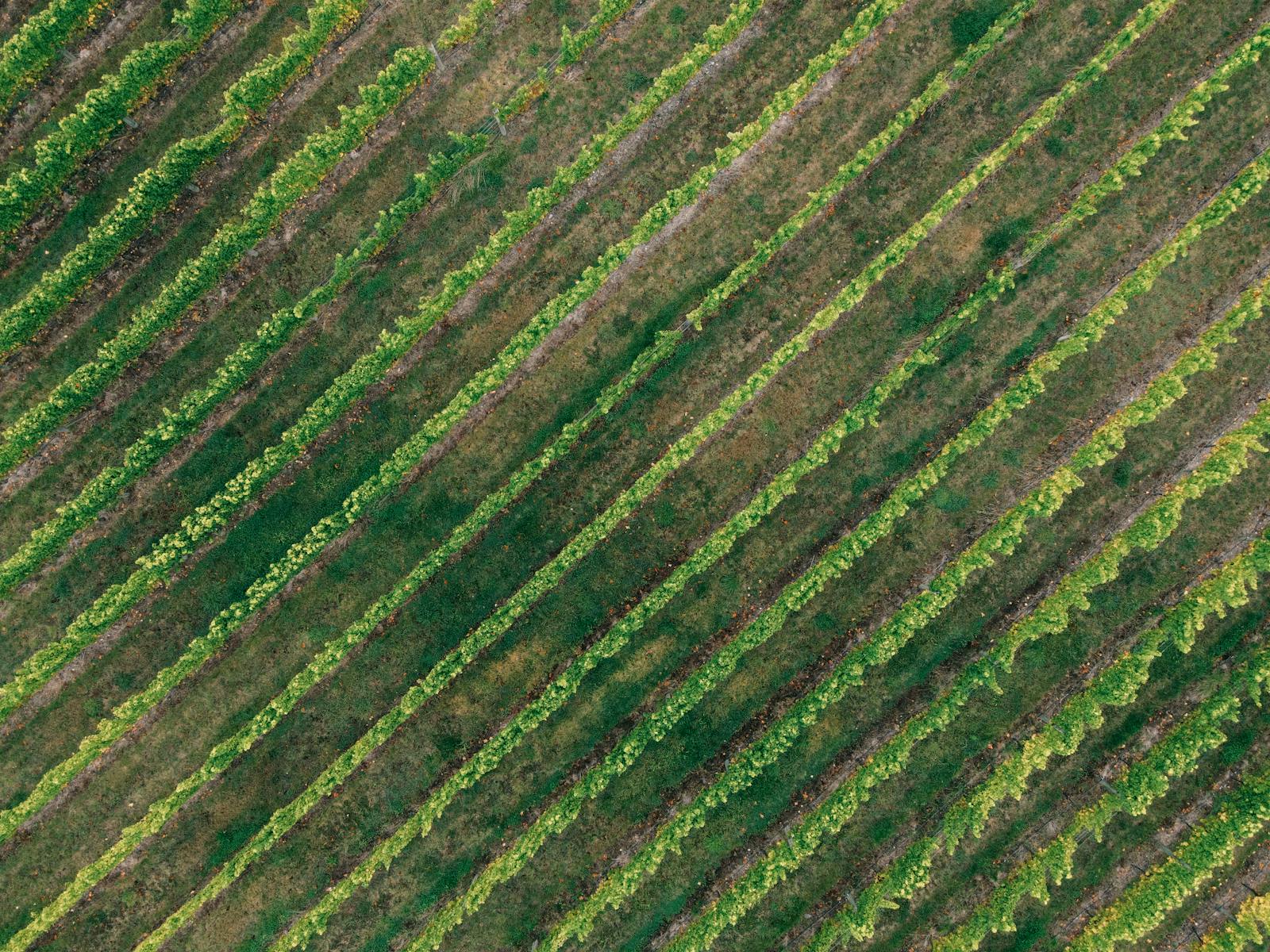
Olivia and Tomás vancroft arrived in Mendoza in March 1898 carrying two suitcases, a bag of Malbec cuttings from a flooded valley in Piedmont, and the kind of stubborn optimism that builds estates.
They planted the lower terrace in their first spring, lost half the canes to a late frost in their second, and bottled their first vintage in 1903 — a thin, bright field blend they served at the local fonda and never sold a bottle of.
In 1947 their daughter Marina planted the upper block — three hectares of Malbec at 1,180 metres, on a thin layer of clay over a deep limestone shelf. Those vines are still in the ground, and they are the parent material of every bottle of Reserva we have ever made.
Beatriz, the third generation, built the cellar inside the original stone wall in 1971. Elena, the fourth, replanted the Franc block in 1995. Lucía, the fifth, came back from Burgundy in 2017 and has spent every season since quietly removing things from the cellar — new oak, large tanks, additions, shortcuts.
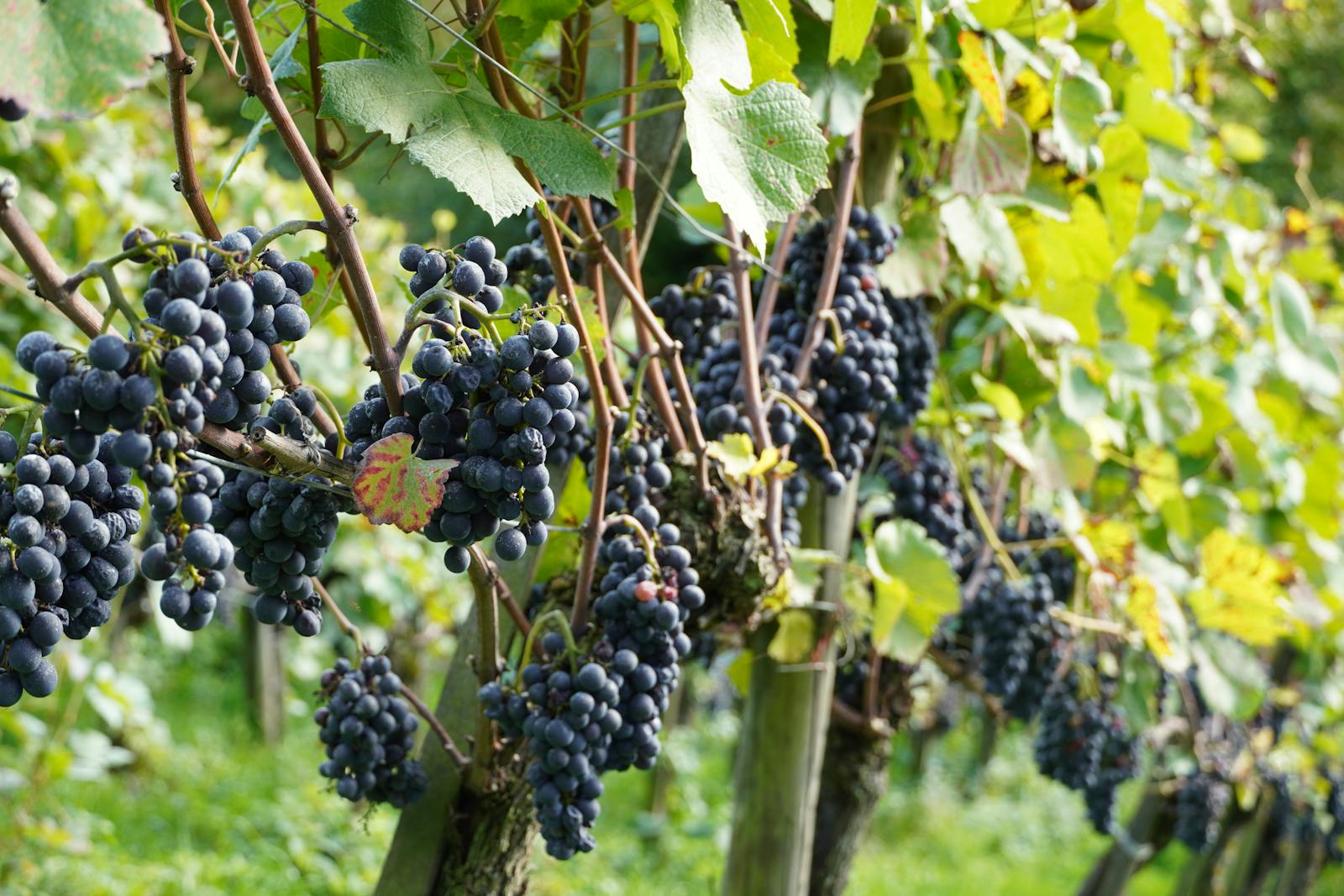
The lower terrace is alluvial — river stones and a thin sand cap that drains fast in February. The upper block is calcareous clay over a deep limestone shelf, which holds water until November and pushes the harvest a week later than the rest of the valley. A small Franc parcel on the western shoulder sits on a vein of decomposed granite.
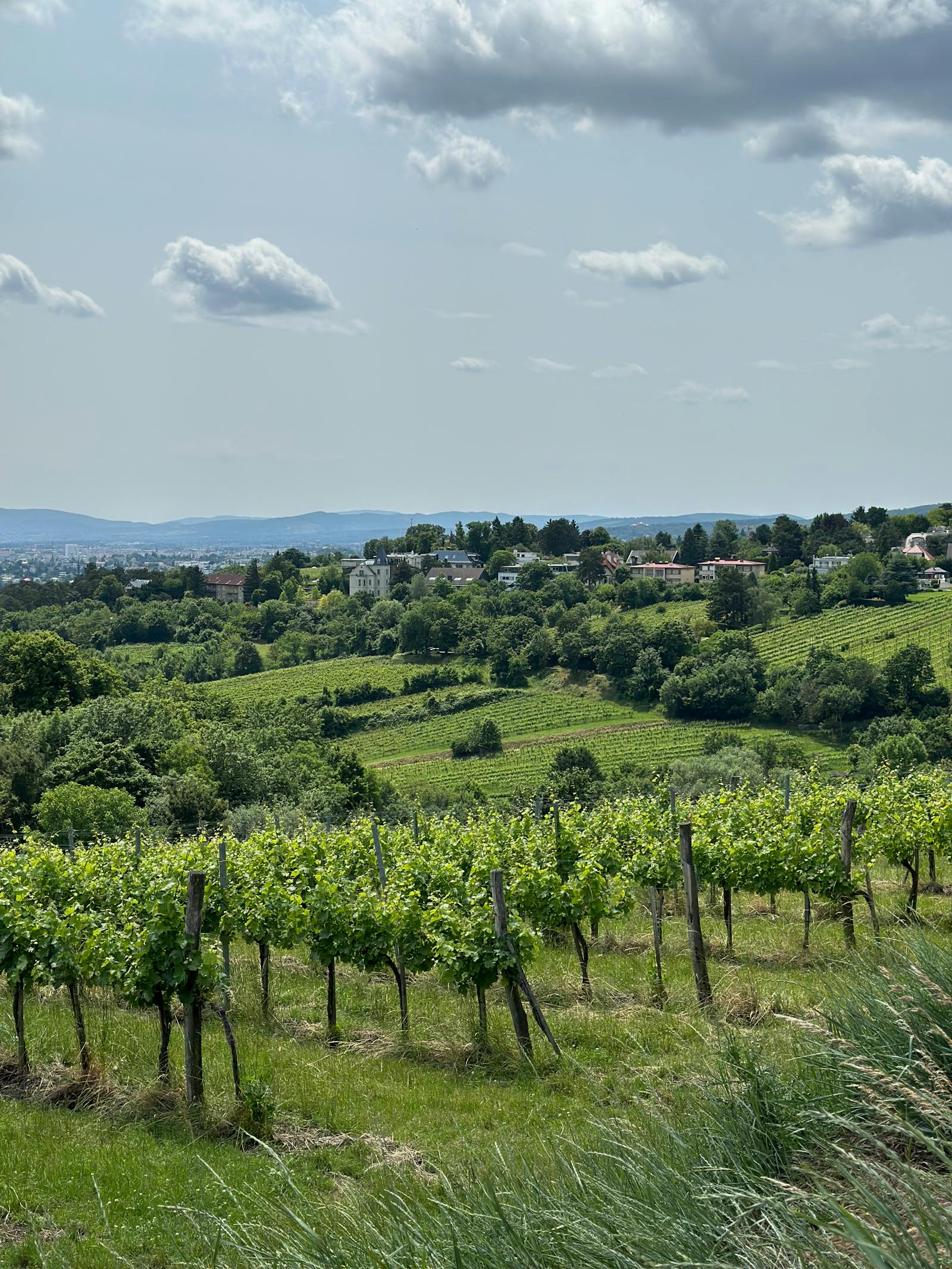
Days at the estate reach the high twenties in January; nights drop to single digits. That swing is the single most important variable in our wines — it keeps the acidity alive while the sugars ripen, which is what gives the Malbec its bright, articulate finish.
February is dry. Most rain falls between November and January as quick afternoon storms that pass in under an hour. We have not seen serious harvest rain since 2016.
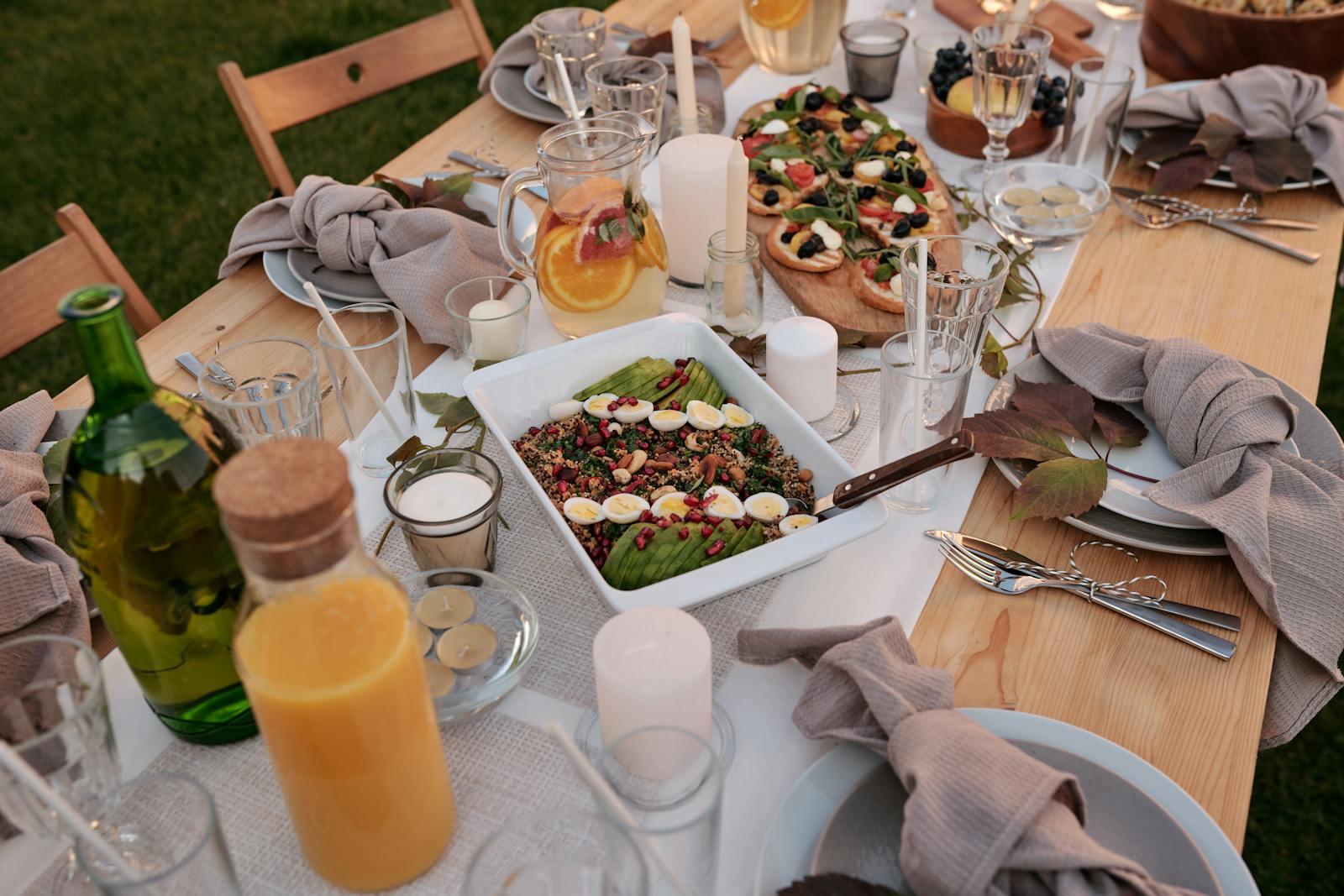
Five generations of one family, plus four colleagues who feel like family. Everyone here picks. Most of us cook.
Trained at the Université de Bourgogne. Came back in 2017 with the conviction that the cellar she inherited was trying too hard. Has been slowly undoing that since.
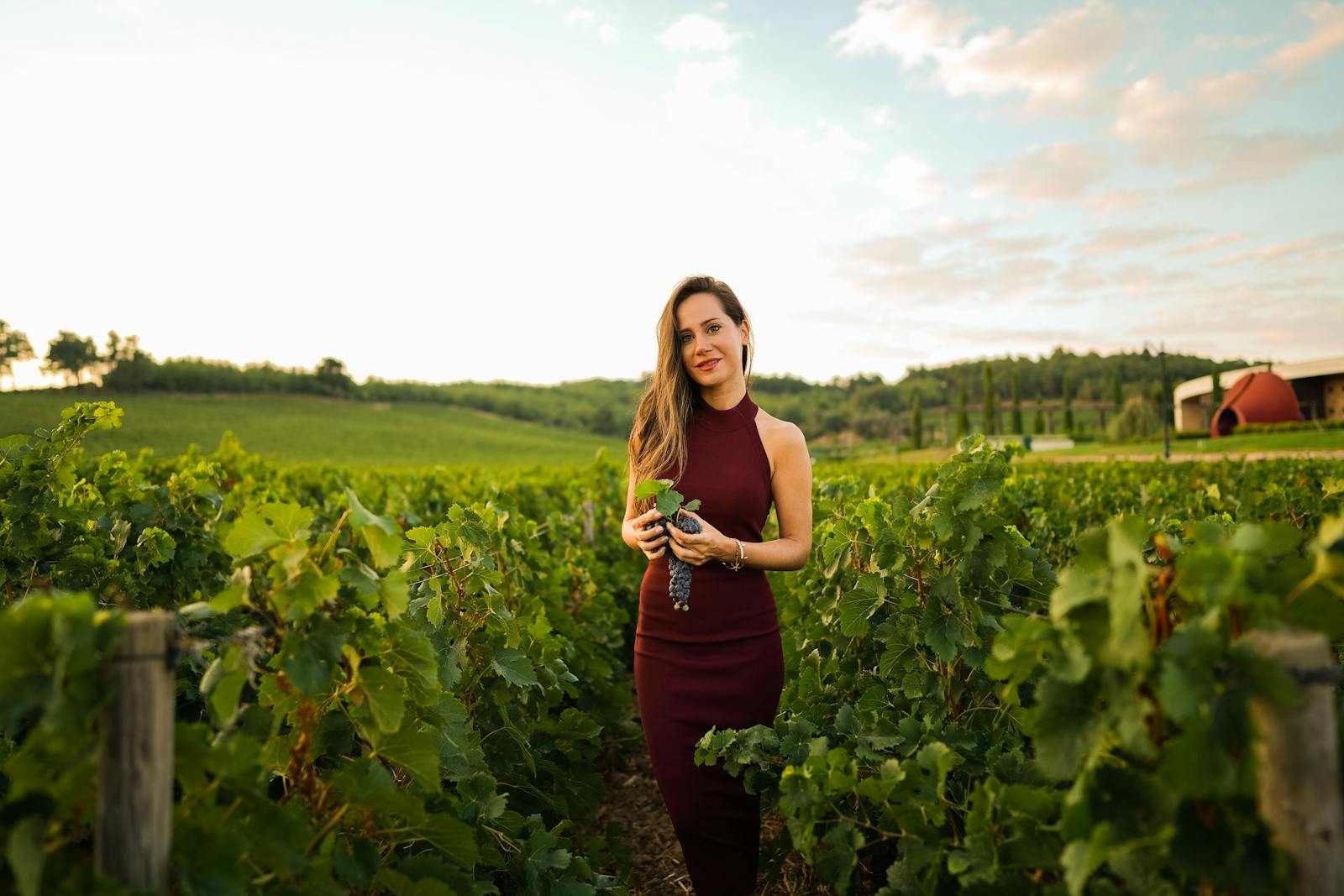
Runs the kitchen and the long table. Replanted the Franc block in 1995 and still picks her own row at every harvest. Author of the recipe sheet that ships with the case.
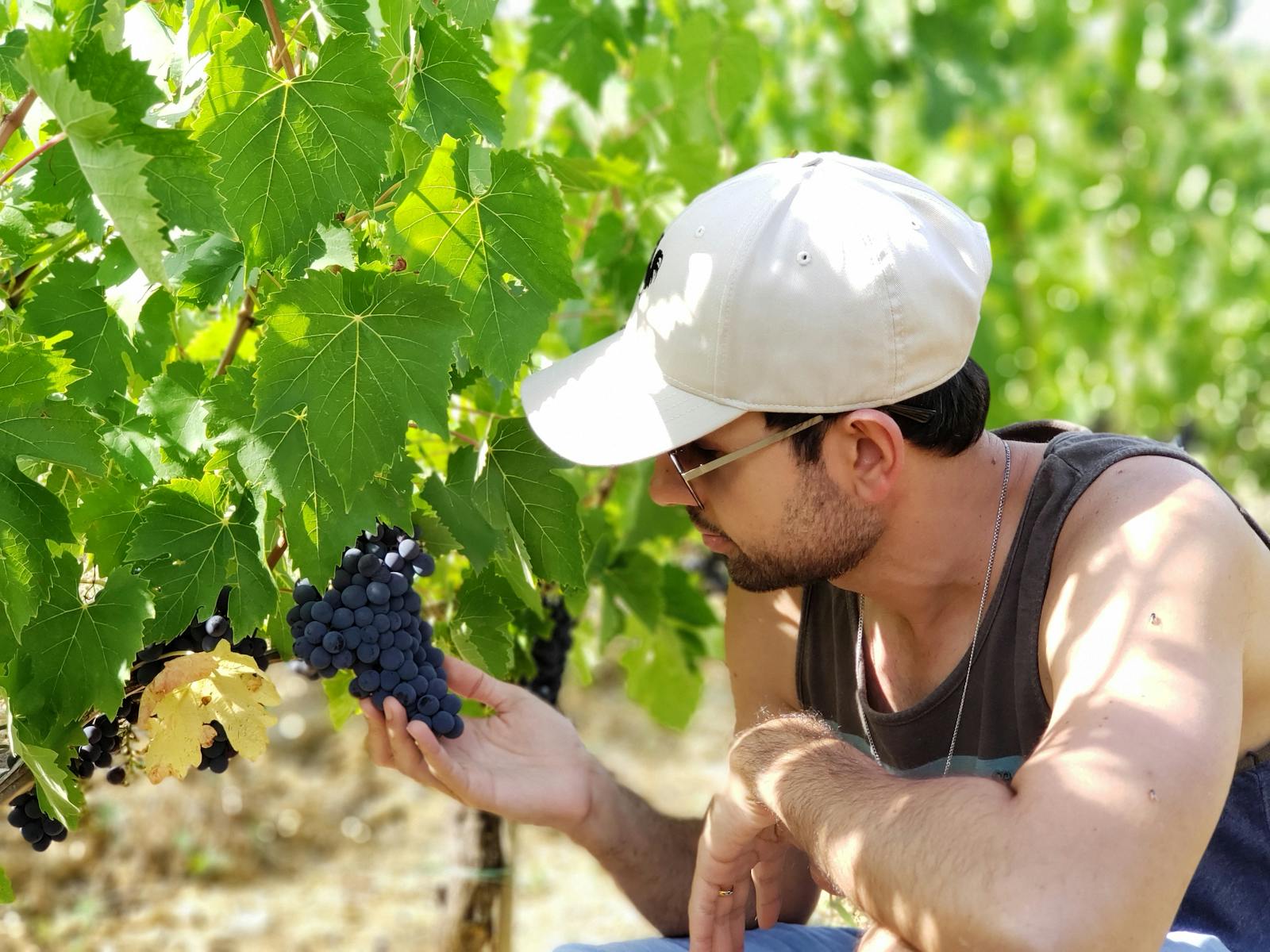
Has pruned every winter since 2003. Knows the row numbers of the oldest vines by heart and the bud counts of every block by the second week of August.
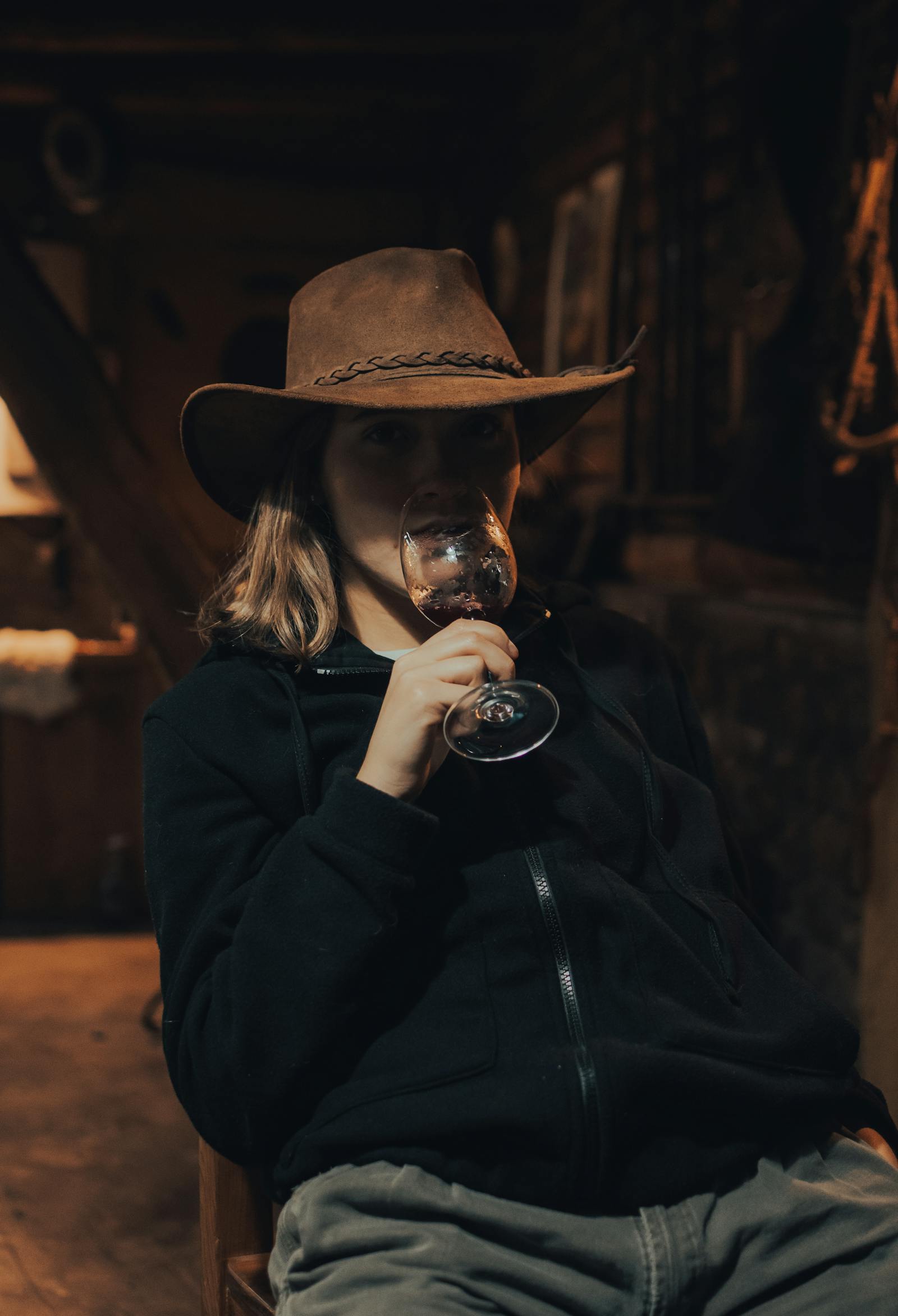
Runs the tasting room. Answers most of the email, all of the Sunday long-table reservations, and most of the questions about the Reserva.
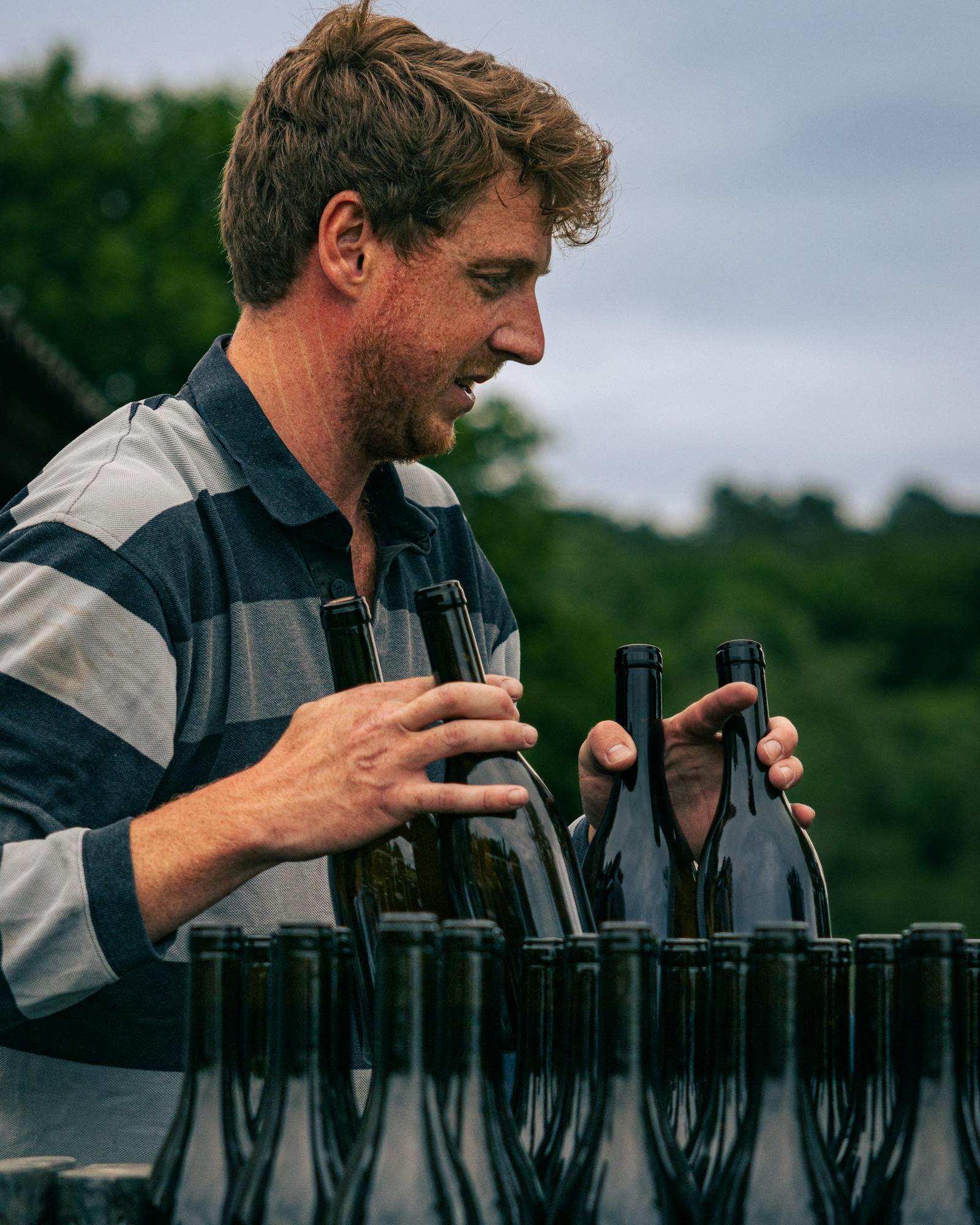
Lucía’s brother. Quietly built the direct-to-table programme that keeps the estate running between releases. Writes the trade emails.
Ana in the cellar; Tomás Jr. on the tractor; Diego on the books. Plus two dogs — Hilda and Mario — who supervise.
We do not certify the estate. The application paperwork would take more water than we save. But these are the practices we have kept since 2018.
No synthetic herbicides since 2018. The rows are mowed three times a season. The space between vines is interplanted with vetch and rye.
Dry-farmed from year four. Young vines are watered for three years and then taught to find the water themselves. The 1947 block has not been irrigated since 1953.
Concrete and old oak only. No new oak in the cellar since 2019. No new tanks since 2017. The newest piece of equipment is a small pneumatic press we bought used in 2022.
Solar on the cellar roof since 2020. Twenty-eight panels. Enough to run the cellar lights, the press, and the small cool room year-round.
Glass weight down 23% since 2019. We changed the Estate Malbec bottle in 2019 and the Reserva in 2022. The Reserva bottle is still the heaviest thing we send out the door.